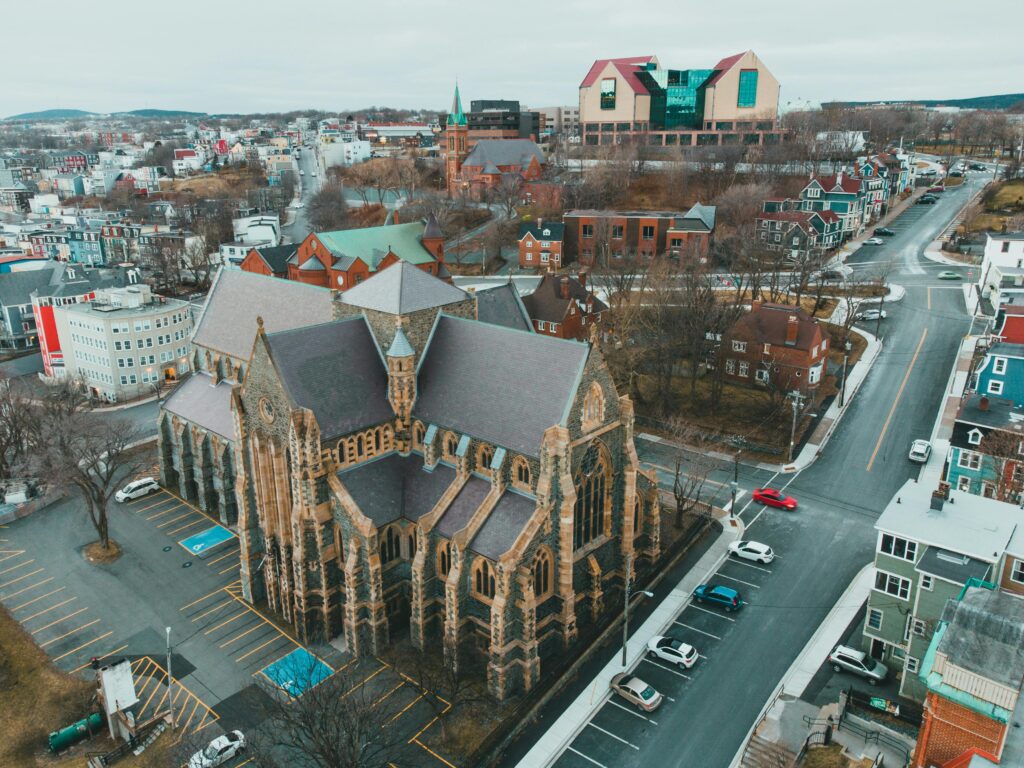
Explorations in the closure, abandonment, and reuse of worship spaces.
Memorial University, CIECR
Survey, Portal, Report
January 2026
The After Church Atlas collects and presents data on church closure, focusing on the cultural meanings and dynamics informing the transformations taking place at former places of worship. It is an online portal and resource for the study of closure and transformation of worship spaces around the world. The After Church Atlas started as an interdisciplinary and collaborative research project led b Dr. Barry Stephenson (Religious Studies) and Dr. Nicholas Lynch (Geography), of Memorial University, St. John’s, Newfoundland. More recently, the After Church Atlas database and portal was transferred to the CIECR, who now manage the survey and portal aspects of this project.
This Atlas will be of interest to researchers, policy-makers, entrepreneurs, educators and the general public. If you are interested in contributing to or using the ‘backend’ search features of the Atlas, or becoming a partner, send us an email.
The After Church Atlas survey is the main mechanism through which data is crowdsourced for the After Church Atlas portal. Researchers and members of the public can use the survey to contribute to our dataset using their local knowledge of churches that have closed.
Church lofts and residential spaces
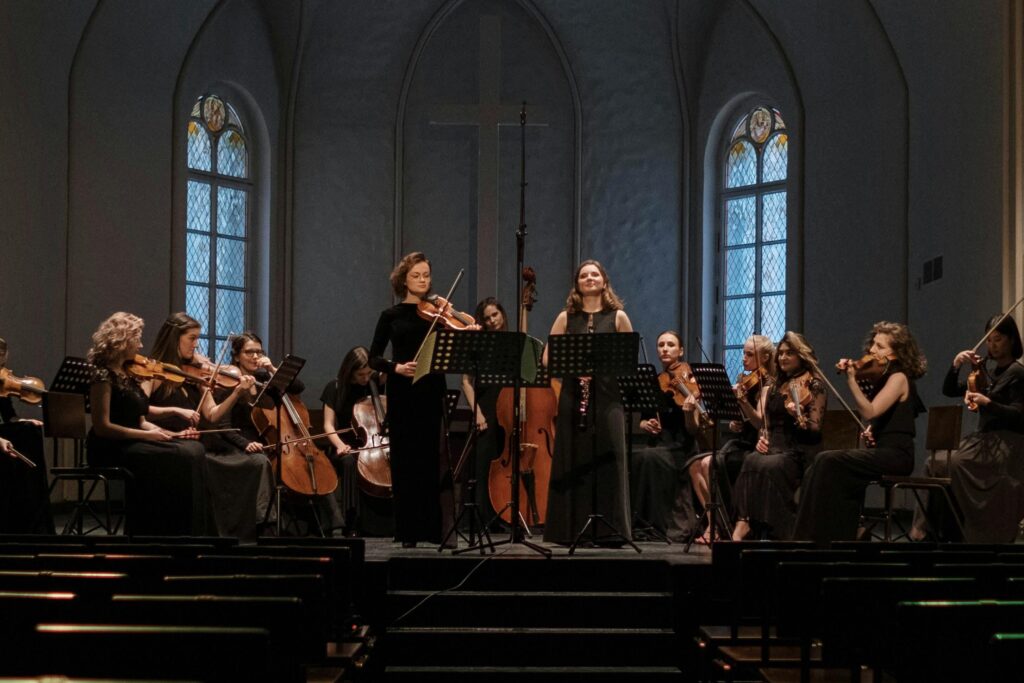
Performance spaces
Lounges, nightclubs, and restaurants
Church breweries
Museums, archives, and libraries
Community centres and social enterprises
Co-working spaces
Faith-to-faith transitions
Closure, amalgamation, and deconsecration
Demolished worship spaces
Ruins and ruination
Find out more about our current research projects from our research team and students related to the Atlas.
Coming soon!
Graduate and Undergraduate Research
Abstract: Over the last decade, there has been a dramatic increase in the reuse of closed (or partially closed) churches into community hubs; dynamic spaces that provide social housing, community kitchens, community events spaces, and other religious and secular-functions. Reused worship spaces that act as shared spaces for local people to gather and socialize can potentially help regain local sense of belonging and reform communities. This research investigates how repurposed worship spaces support community cohesion and impact the formation of contemporary urban landscapes in a heritage city (Ottawa) that has had multiple examples of creative reuse of worship spaces.
Abstract: This project is centered around the adaptive reuse of places of worship in Canada and the United States, in particular Christian churches that are transformed into commercial businesses (craft beer breweries, public houses that sell locally crafted beer, or a combination thereof). The trend of the craft beer economy is a fairly new one as this small-scale and locally focused artisanal craft has seen a revival in the last decades and is now becoming a booming source and center of local cultures across North America. Even though these businesses operate mostly on a microeconomic scale, they have already started to show to be key in being local hotspots for cultural exchange and commerce, especially if the venue is a historic site such as a church. This research investigates the history, the economic mechanics, and potential impacts on local economies and municipalities of church breweries and church brewpubs.